
If you drive a commercial vehicle long enough, you will likely experience a breakdown at some point. It’s almost inevitable considering the average commercial driver in Canada covers a distance between 45,000 and 100,000 kilometers every year. Even the most carefully maintained truck or bus can experience a mechanical failure, tire blowout, or electrical issue.
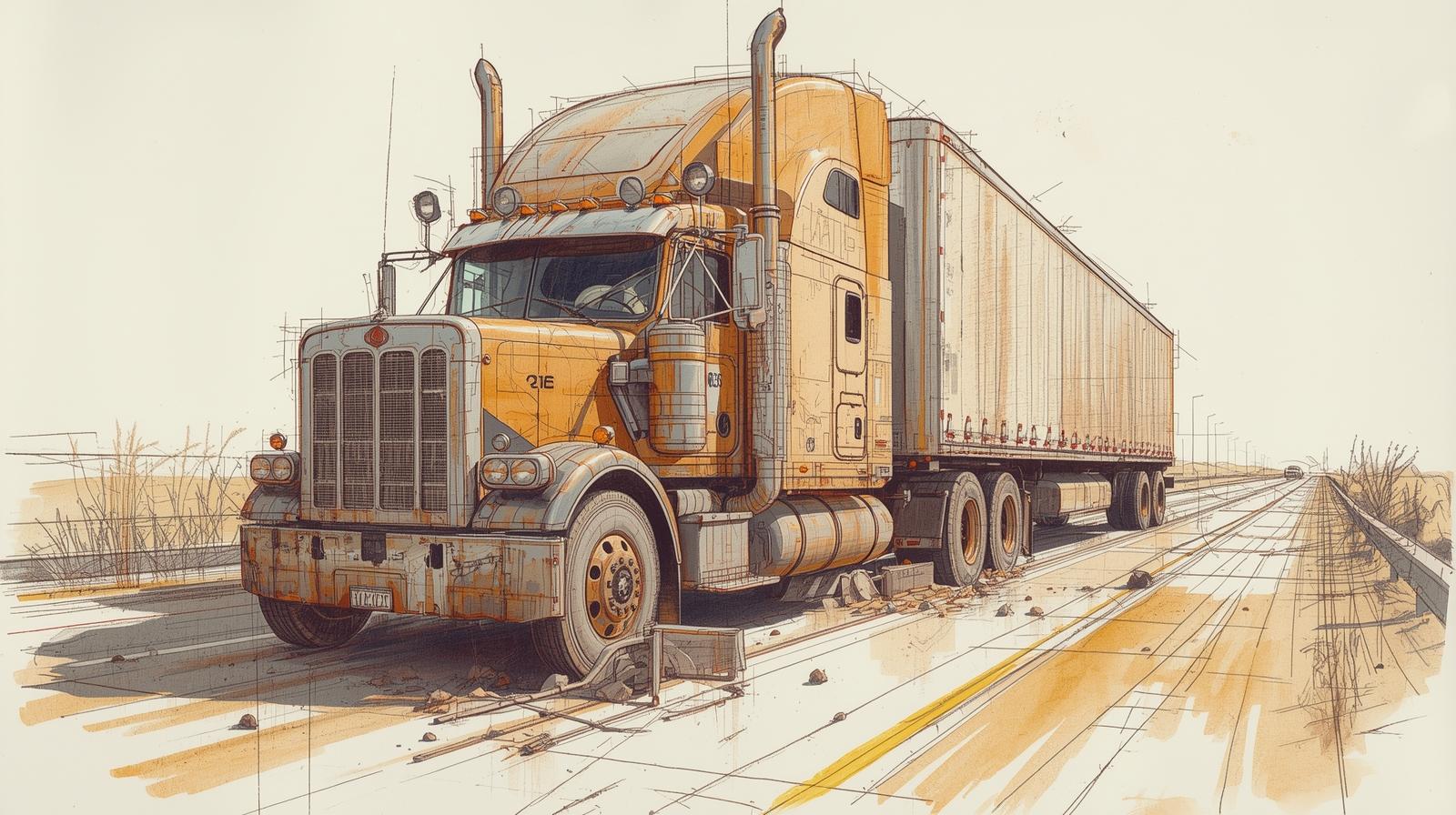
However, when a breakdown occurs, the safety of the driver, passengers, cargo, and other road users depends on how well the situation is managed. If you know how to respond during an emergency, you can prevent further accidents, minimize downtime, and ensure compliance with safety regulations. In this article, we’ll tell you how exactly you can do that. Let’s get started!
Recognize Early Warning Signs
Many breakdowns have early warning signs. It could be a change in engine sound, vibrations in the steering wheel, sluggish acceleration, or illuminated warning lights. At no point should you ignore any unusual behavior or signs when driving your commercial vehicle. If you recognize any warning signs early, you can pull over before the problem worsens, preventing a dangerous roadside emergency.
Safely Pull Off the Road
If you missed the warning sign and the breakdown happened unexpectedly, you should pull off the road as soon as possible. If the truck or bus is still operable, you should signal immediately, slow down gradually, and steer toward the shoulder or a designated emergency lane.
It’s essential to avoid sudden braking or swerving, which can endanger other vehicles. If a safe shoulder is not available, pulling as far to the right as possible and choosing a location with good visibility from both directions is the next best option. While you’re at it, keep your seat belt on, activate hazards, and call law enforcement to provide traffic control.
Make The Scene Visible
Once you’ve stopped, set your parking brake and turn on hazard flashers. Put on your high-visibility vest before exiting the cab. Deploy reflective triangles or approved warning devices at the distances and positions required by your jurisdiction and company policy while accounting for curves, hills, fog, or nighttime conditions. Typically, one device is set about ten meters behind the truck or bus, another at about one hundred meters, and a third ahead of the vehicle to alert traffic approaching from both directions.
If you’re experiencing low visibility, supplement the reflective triangles with flares or LED beacons if possible. As a safety precaution, keep the ignition sources away from any fluid leaks. On top of that, wear reflective vests and high-visibility clothing when stepping outside the vehicle.
Secure the Vehicle
Once you’ve pulled over, you must immediately secure the vehicle to prevent any unintended movement. This involves applying the parking brake, shutting off the engine, and turning on hazard warning lights. If you’re operating a heavy vehicle, chock the wheel on firm ground to stop any roll.
In case of a tire failure, check for hot components and ensure the blown tire’s debris is clear of contact points. If the truck is leaning or the surface is soft, reassess whether it’s safer to move a short distance to a flatter area before working — but only do so if the vehicle can move safely without further damage.
Communicate The Breakdown
Once you’ve secured your vehicle, you should update your dispatch or your designated roadside provider about the breakdown. More succinctly, this involves sharing your exact location using the highway, direction, nearest mile marker, notable landmarks or GPS coordinates. Beyond that, describe the vehicle configuration, load sensitivity, and the observed problem, such as loss of air pressure, electrical fault, coolant leak, or a tire blowout.
Keep in mind that your initial report will help the technician determine the right tools to bring and shorten the downtime.
Protect Passengers and Cargo
If you have a co-driver or passengers, keep them inside the cab with seat belts fastened unless there is fire, smoke, or a hazardous spill. If evacuation is necessary, move everyone beyond the guardrail and upstream of the traffic and wind direction. Never let anyone stand between the rig and oncoming traffic or in a pinch point like a narrow shoulder. In such a scenario, visibility and distance are your best defenses against secondary collisions.
If you’ve secured cargo to your truck, make sure the trailer is on stable ground while the securement remains intact until roadside service or law enforcement arrives. However, hazardous materials require additional steps, including consulting shipping papers and emergency response guides, isolating the scene, and notifying appropriate authorities. If you’re not sure about the process, escalate according to hazmat protocols.
Work With Responders
When the tow operator or mechanic arrives, brief them on what you’ve observed and what you have already tried. Follow their instructions for rigging, air supply caging, driveline disconnects, or axle lifts to avoid additional damage. However, stay clear during winching or lifting operations and keep bystanders and traffic away from pinch points.
Keep Your Compliance Record Clean
Part of the procedure of a commercial driver during a breakdown is to document any defects and submit a written inspection report to the carrier. In addition to that, you’re required to record any delays in the electronic logging device (ELD) or logbook.
To track maintenance and follow up on insurance claims, preserve invoices, tow receipts, and technician notes throughout the process.